When I was young, my uncle would take me out for rides on his motorcycle. I’d saddle up on the leather seat behind him and scream gleefully as he revved onto the asphalt of the curved country road. My arms wrapped around his waist, I’d hold on for dear life, wind whipping my hair against my face. While he might have been cruising at a mere 10 mph, in my mind he was a speed demon and I was potential roadkill. When the ride ended, the panic would subside and I’d beg for another turn, all the while my mom and grandmother sat inside around the kitchen table, chatting over a glass of iced tea (ok, it might have been a beer).
Eventually, my sisters and I got our own ride, a large, bright yellow, three-wheeled all-terrain vehicle. Not a four-wheeler….a three-wheeler. You know, the huge ATVs with two large tires in the back and only one in the front? The ones that were banned from being sold in the US for 10 years due to safety concerns? We drove one of those. Often. As children.
My sisters and I carved trails from one end of our property to the other. My older sister would sit up front, driving, with my little sister sandwiched in the middle. Making up the rear, I would death grip the cargo rack with one hand while clinging to a boom box with the other as we blared our cassette tape of the Beaches movie soundtrack (riding on a three-wheeler is apparently cool enough to make up for any questionable musical choices). Entire days of my childhood were spent on that big yellow ride. We ended up with whiplash, engine burns, and scratched corneas from flying debris. And I dare say that each one of us would jump at the chance to do it again.
We were kids of the ’80s. We rode in the back of pick-up trucks, in tractor scoops, and on rickety bicycles off makeshift ramps. We leaned our unbuckled selves out of car windows and held firecrackers in our bare hands. No protective gear of any kind was owned, let alone worn. Across three kids, and hours upon hours of joy riding on our three-wheeled speeding machine, only one trip to the emergency room was made. That time, it was my dad, not a kid, doing the driving.
Now that children of the ’80s are raising kids of our own, we look back on those memories with equal parts shock and awe. Sure, it was fun, but no helmets? That’s crazy. Not my kids. We are influenced by up-to-date information about safety and an expansive market of activity-specific safety gear. We are bombarded by media reports of tragic accidents, and we live in a culture where blaming and shaming of perceived negligent parenting is a national pastime.
In our efforts to create safety for our kids, however, we’ve anesthetized their lives. An entire generation of children don’t climb trees, cut their own food, or light matches. Their hands are sanitized after every sniffle, their bodies bathed every night. Their furniture is bolted to the walls and they are mummified in carseats until they are old enough to drive. As a by-product of today’s competition to create the smartest!most athletic!best! kids, we have turned our children into investments, portfolios that need to be managed and protected from all potential harm, both real and imagined. We have taken pain, panic, and physical exhaustion out of their childhoods and in doing so, we have unintentionally robbed them of unadulterated exhilaration. They aren’t learning their physical capabilities. They don’t know what to do when their adrenaline is pumping and panic is setting in. We have chosen not to teach our kids about their instinctual inheritance of fighting or fleeing from danger. Instead, we created a third, entirely fabricated, option: avoiding situations where danger might possibly be present.
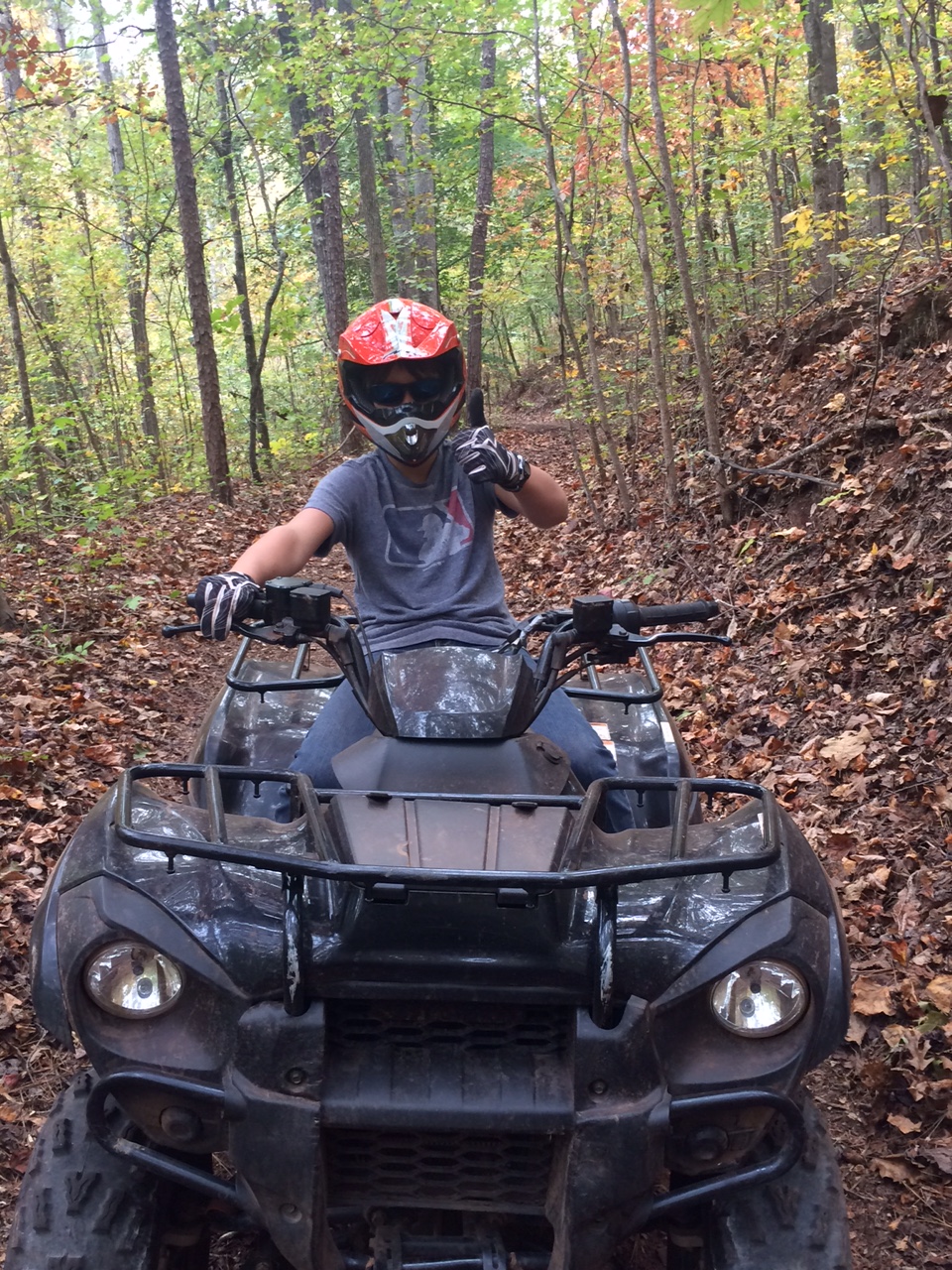 My oldest children, now 12 and 10, got to drive an ATV for the first time over the past weekend while we stayed at a friend’s cabin on London Mountain. My inner ’80s child giggled with glee. I could easily recall the excitement I felt as a child riding on the largest, speediest, yellowest machine ever to be set upon three wheels. As a parent, however, that excitement was tempered by every bone in my “safety first” body. My kids wore helmets, gloves, and goggles and they were supervised by a sober adult at all times.
Within just a few turns on the trails on the first day, my son flipped the four-wheeler. No one is sure exactly what happened, but for a boy whose growth spurts have outpaced his ability to maneuver his body effectively, we weren’t entirely surprised. Though he walked away without a scratch, he still received a peppering of questions over dinner that night: “Are you seeing spots? Any headaches? Does it hurt when you pee?” Apparently not to be outdone, my daughter flipped the four-wheeler the next day. I was riding right behind her and saw it happen. She didn’t so much flip the machine as she drove it into an embankment, panicked, and kept her thumb on the gas until the machine fell over on top of her. Her speed at the time, on a scale of 1 to 10 would have been -1, but the experience rattled her just the same. After we righted the ATV, she asked, “Do I have to get back on it?” I was surprised and thankful to hear myself reply, “Yep. You have to drive it. You can go as slow as you like, but you must get on. Here, let me get those leaves off your back.”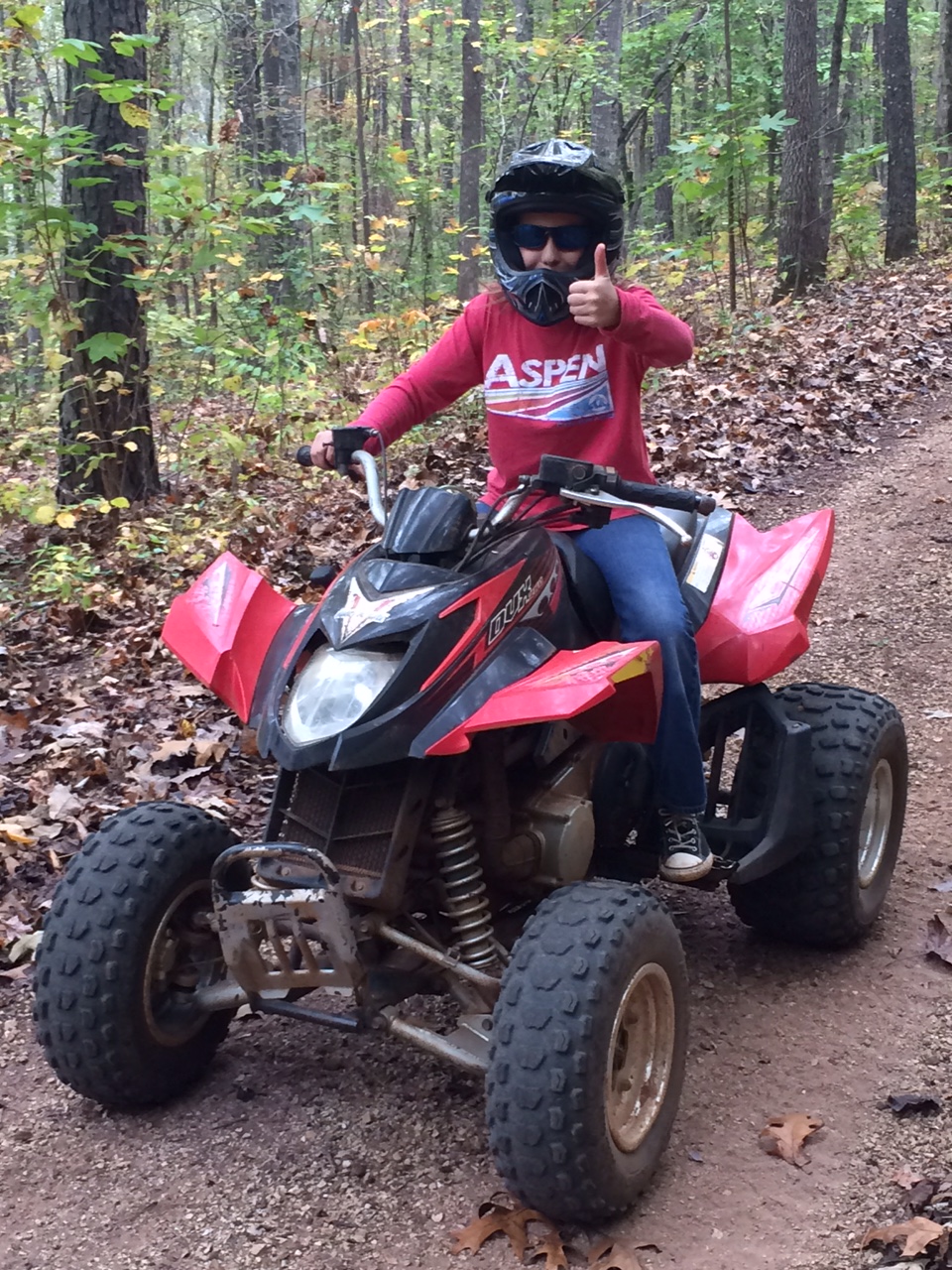
Despite toppling their rides, the kids were sadly disappointed to see the four-wheelers locked up as we headed back home. They had been scared – a few moments of terror, even – and they had panicked at least once on each of their runs. But during that time on those mountain trails they also felt, really felt, the full extremes of the physical world and their bodies in that world. I’m not sure that our citified, bubble-wrapped, be-helmeted children have had such an opportunity before.
I know that there are those who will read this and judge harshly, that no amount of “fun” is worth the risk and danger. But I argue that there is a point to such risk, and that it is worth it. We gave our children a chance to face real physical risks while giving them control of the outcome. They had to identify potential dangerous situations and figure out the best way to respond to it. Though the situations seemed extreme to their 12 and 10-year-old selves, my husband and I were right there, creating as safe an environment as possible. Accidents can, and will, still happen, but we can’t possibly avoid, prepare, or predict them all. When they do happen, I’d like to think that my time on that big yellow ride has helped me figure out not only how to handle panic, anxiety, and pain, but also to know the physical bliss that is possible in this world and that sometimes it is what makes life worth living.
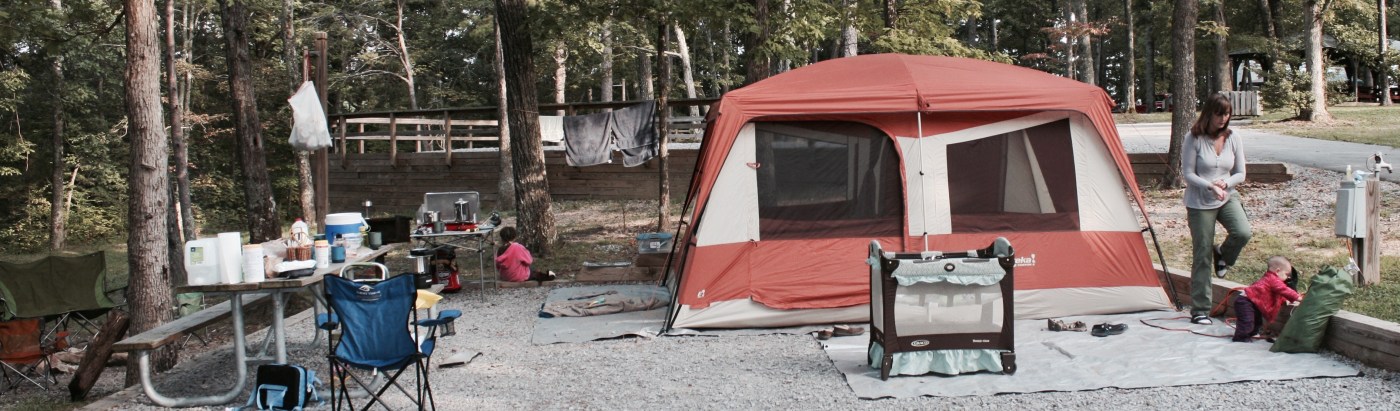
All of this is not to say that our weekend wasn’t without any blood shed. Within two minutes of arriving on London Mountain, my three year old walked up the steps to the cabin and promptly fell off the porch. She was bleeding before I even had both feet out of the car. How do you even prepare for that? You don’t have to. Your parents took care of that in the ’80s when they taught you to breath deep, swallow your panic, and take care of business.
But maybe a little bubble wrap now and again wouldn’t be such a bad thing after all.


 red brick, yellow door
Recent Comments